
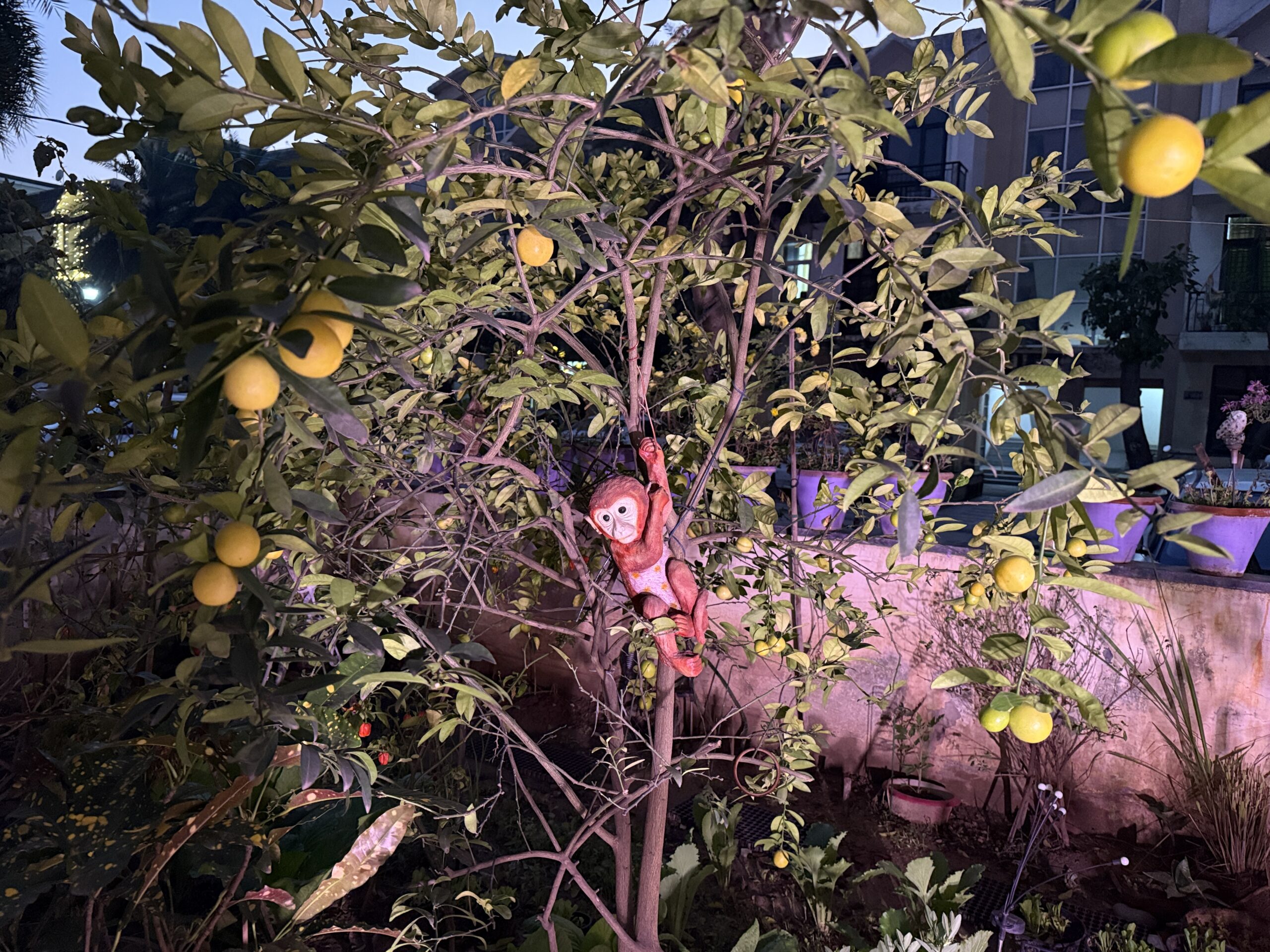

If you’re wondering whether lemon plants are safe for pets, the short answer is no. Lemon plants are generally not considered pet-safe because they contain natural compounds that may cause digestive upset and other health problems in dogs and cats if consumed.
The good news is that most pets naturally avoid lemon plants because of their strong citrus scent and sour taste. However, curious puppies, kittens, and pets that enjoy chewing leaves or garden plants may still be at risk.
As someone who grows lemon plants at home, I often receive questions from pet owners who want to know whether it’s safe to keep a lemon tree in the garden when dogs or cats are around. The answer depends on your pet’s behavior, but understanding the potential risks can help you make informed decisions.
Quick Answer
| Question | Answer |
|---|---|
| Are lemon plants safe for pets? | No, lemon plants are not considered pet-safe. |
| Are lemon plants toxic to dogs? | Yes, parts of the plant may cause digestive upset and related symptoms. |
| Are lemon plants toxic to cats? | Yes, cats are generally more sensitive to citrus plants than dogs. |
| Which part is most concerning? | The leaves, stems, and peel contain higher concentrations of citrus compounds. |
Why Are Lemon Plants Not Safe for Pets?
Lemon plants naturally produce compounds that help protect them from insects and environmental stress. While these compounds benefit the plant, they can cause problems when consumed by dogs and cats.
The main reasons lemon plants are not considered safe for pets include:
- Psoralens – Natural compounds that may cause digestive upset and increased sensitivity to sunlight.
- Essential oils – Found in the leaves, stems, and peel, these oils can irritate a pet’s digestive system.
- Citrus compounds – Dogs and cats process certain plant chemicals differently than humans, making them more sensitive to citrus plants.
The severity of symptoms usually depends on how much was consumed, which part of the plant was eaten, and the size of the pet.
Which Parts of a Lemon Plant Are Toxic?
Not all parts of a lemon plant contain the same concentration of potentially harmful compounds.
| Plant Part | Risk Level | Why? |
|---|---|---|
| Leaves | Moderate | Contain essential oils and psoralens that may irritate the digestive system. |
| Peel | High | Contains concentrated citrus oils that can be more irritating to pets. |
| Stems and branches | Moderate | Contain plant oils and citrus compounds. |
| Flowers | Low to Moderate | Less concentrated but still contain citrus compounds. |
| Fruit pulp | Low | Usually causes mild digestive upset due to acidity and sourness. |
| Seeds | Low | Not highly toxic but should not be consumed. |
Are Lemon Plants Toxic to Dogs?

Yes, lemon plants are considered toxic to dogs.
Fortunately, most dogs do not enjoy the strong citrus smell and sour taste, which naturally discourages them from chewing the plant. However, puppies and curious dogs may still bite leaves, stems, or fallen fruits.
If a dog eats part of a lemon plant, it may experience symptoms such as vomiting, diarrhea, drooling, stomach discomfort, or temporary lethargy. In most cases, symptoms are mild, but larger amounts may require veterinary attention.
Are Lemon Plants Toxic to Cats?
Cats are generally more sensitive to citrus plants than dogs.
Although many cats dislike citrus scents and naturally avoid lemon plants, chewing leaves or other parts of the plant may cause digestive upset and irritation.
Common symptoms may include drooling, vomiting, diarrhea, loss of appetite, and mouth irritation. Because cats are smaller than most dogs, even a relatively small amount may affect them more noticeably.
Pet owners should also learn about other common indoor plants that are toxic to pets.
Symptoms of Lemon Plant Poisoning in Pets
If a pet chews or eats part of a lemon plant, the symptoms can vary depending on the amount consumed and which part of the plant was eaten.
Common signs include:
- Vomiting
- Diarrhea
- Excessive drooling
- Loss of appetite
- Lethargy or unusual tiredness
- Skin irritation
- Increased sensitivity to sunlight
- Pawing at the mouth or signs of oral discomfort
Many pets experience only mild digestive upset, but symptoms can be more severe in smaller animals or pets that consume larger amounts.
What Should You Do if Your Pet Eats a Lemon Plant?
If your dog or cat eats part of a lemon plant, remain calm and remove any remaining plant material from their mouth if it is safe to do so.
Provide fresh drinking water and monitor your pet closely for symptoms such as vomiting, diarrhea, drooling, or unusual behavior. If your pet has eaten a large amount of the plant or develops concerning symptoms, contact your veterinarian for professional advice.
If possible, identify which part of the plant was consumed, as this information may help your veterinarian evaluate the risk more accurately.
How to Keep Pets Away from Lemon Plants
If you enjoy growing lemon plants but also have pets, a few simple precautions can help reduce the risk.
| Prevention Method | Why It Helps |
|---|---|
| Place lemon plants in restricted areas | Growing plants in fenced gardens or elevated areas reduces access. |
| Use plant barriers or cages | Prevents chewing and digging around the plant. |
| Remove fallen leaves and fruits | Curious pets may investigate plant material on the ground. |
| Supervise young pets outdoors | Puppies and kittens are naturally more curious. |
| Provide safe alternatives | Pet-safe toys and enrichment activities reduce interest in plants. |
| Use positive reinforcement training | Teaching pets to avoid plants is often effective over time. |
My Experience Growing Lemon Plants Around Pets
I have grown lemon plants for years, and most pets seem to avoid them because of their strong citrus scent. However, I still don’t consider lemon plants safe for pets.
If you decide to keep a lemon plant at home, check out our How to Grow Lemon Plants guide for tips on planting, watering, and care.
While I haven’t personally had issues with pets chewing my lemon plants, I always recommend preventing access whenever possible. Curious puppies and kittens can surprise you, and it’s better to prevent problems before they occur.
Conclusion
Lemon plants are beautiful, productive, and rewarding to grow, but they are generally not considered safe for pets. The leaves, stems, peel, and other parts of the plant contain natural compounds that may cause digestive upset and related symptoms in dogs and cats.
If you grow lemon plants at home, the safest approach is to prevent pets from chewing any part of the plant and monitor them closely if accidental ingestion occurs. With a few simple precautions, it’s possible to enjoy both a healthy lemon plant and a safe environment for your furry companions.
