


In this guide, I’ll share exactly how to grow a lemon plant (Citrus Fruit) at home using the same methods I use in my garden. Whether you’re planting a young sapling or trying to increase fruit production on an existing tree, these practical tips can help you grow a healthier and more productive lemon plant.
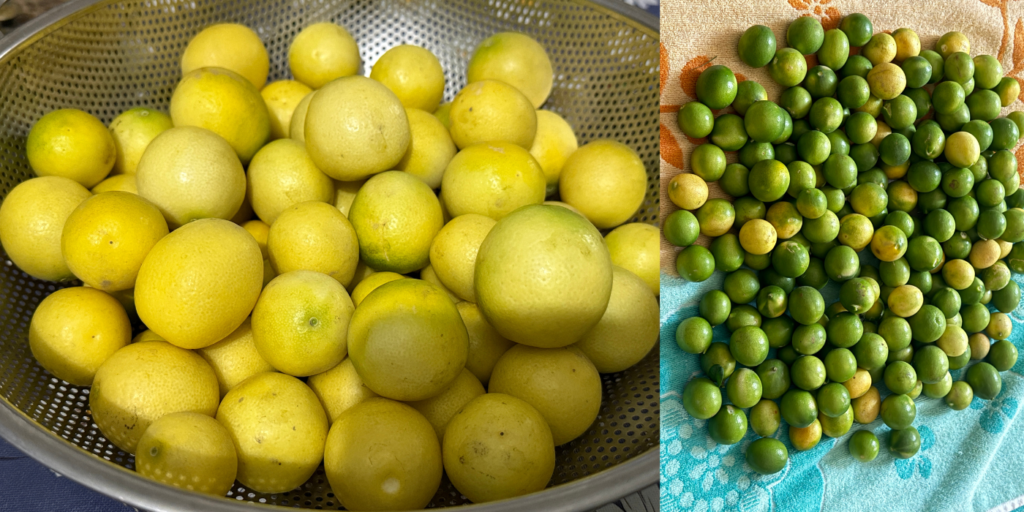
One thing I love most about my lemons is their flavor. They are extremely juicy and pleasantly sour, exactly what I look for in a good lemon. The peel is surprisingly thin and slightly sweet, which is something many visitors notice when they taste the fruit for the first time.
How do you grow a lemon plant that produces 600+ fruits?
This is the question many people around my house, including friends and neighbors, often ask me. Some of them have planted lemon trees of their own, tried different fertilizers, and followed advice from gardeners, yet their plants still produce only a handful of lemons each year—or no fruit at all.
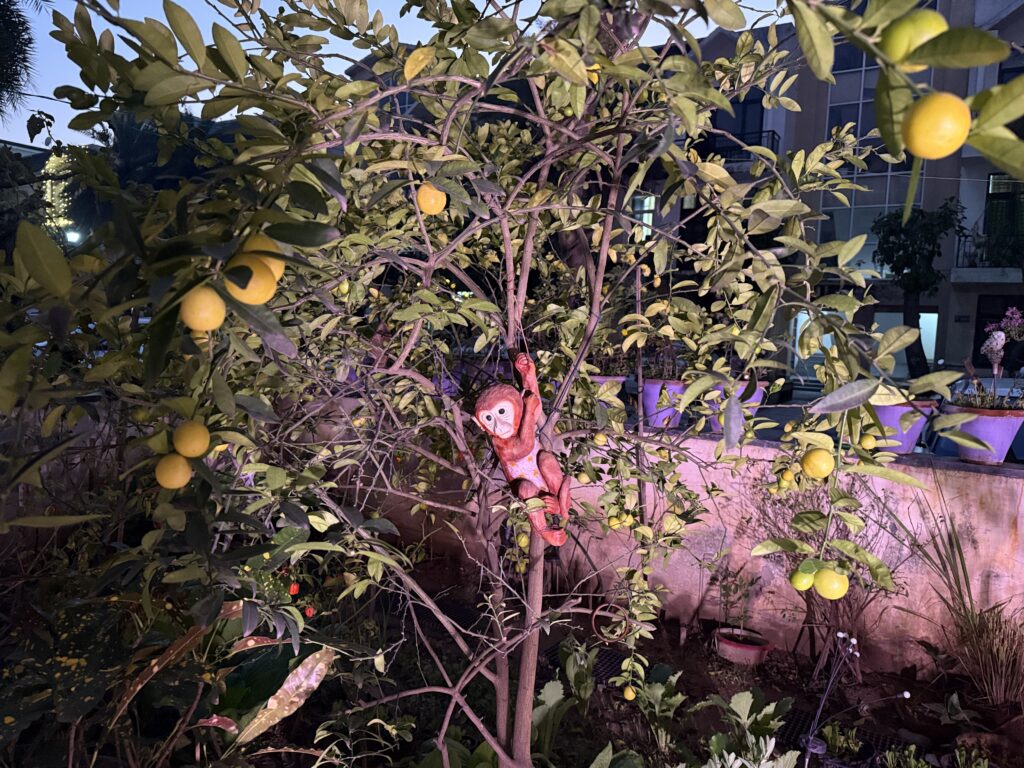
My lemon plant produces more than 600 lemons and keeps fruiting almost year-round. July to August and December to January are usually the heaviest harvesting months, when the branches are loaded with lemons.
The secret isn’t an expensive fertilizer or a complicated gardening technique. It’s simply the result of consistent care, proper pruning, timely feeding, plenty of sunlight, and patience.
One thing I always tell people: love your lemon plant like your child. Observe it every day, understand what it needs, and never ignore the small signs it gives you. A lemon plant that receives regular care and attention will reward you with healthy growth and abundant fruit.
Quick Guide: How to Grow a Lemon Plant
| Stage | What to Do |
|---|---|
| Replanting | Plant in well-draining soil and choose a sunny location. |
| Root Establishment | Water regularly while the roots settle into the soil. |
| Early Growth | Monitor new leaves and ensure adequate sunlight. |
| Routine Care | Remove weeds and check for pests regularly. |
| Monthly Maintenance | Spray Epsom salt solution to support magnesium levels. |
| Seasonal Feeding | Apply vermicompost and bone meal in September and March. |
| Pruning | Prune branches and excess foliage in February to encourage bushier growth. |
| Flowering | White fragrant flowers begin to appear. Apply NPK 12:61:00 |
| Fruit Set | Flowers develop into small green lemons. Apply NPK 00:12:50 |
| Fruit Development | Continue checking for excess fruit drop |
| Ripening | Fruits gradually turn yellow and reach full size. |
| Harvesting | Pick lemons when fully colored and slightly soft to the touch. |
Common Lemon Plant Questions Answered
Which Lemon Variety Should You Choose?
Before planting a lemon tree, it’s important to choose a variety that grows well in your region. Some of the most popular lemon varieties in India include:
- Kagzi Nimbu (Baramasi) – Known for its high juice content, regular fruiting, and adaptability to different growing conditions.
- Assam Lemon – Produces larger fruits with a strong aroma and plenty of juice.
- Sai Sarbati Lemon – A productive variety commonly grown in many parts of India.
I chose Kagzi Nimbu (Baramasi) for my garden, and it has exceeded my expectations. The plant continues fruiting non-stop.
How Long Does It Take a Lemon Plant to Produce Fruit?
The answer depends on how the plant was started.
If you grow a lemon plant from seed, you may need to wait anywhere from 3 to 7 years before seeing your first harvest. However, if you purchase a healthy nursery-grown or grafted plant, fruit production can begin much sooner, often within 1 to 3 years.
In my experience, patience is one of the most important ingredients in growing a productive lemon plant. Many gardeners become discouraged when they don’t see fruit immediately. Instead of focusing on the harvest, focus on building a healthy plant with strong roots, plenty of leaves, and a balanced feeding schedule. Once the plant matures, fruit production naturally follows.
My lemon plant started fruiting just one year after planting. It produced only around 30 to 40 lemons, but I was still excited because it was the very first harvest from the plant. I remember checking the tiny fruits almost every day as they grew. At that time, I never imagined the same plant would one day produce more than 600 lemons in a good season.
Why Are Lemon Plant Flowers Dropping?
Flower drop is a common problem in lemon plants, especially during periods of stress. The most common causes include irregular watering, nutrient deficiencies, sudden temperature changes, lack of sunlight, and pest infestations.
A few flowers dropping naturally is normal because the plant cannot support every flower it produces. However, if most flowers are falling before fruit formation, check whether the plant is receiving enough sunlight and consistent watering.
In my experience, healthy lemon plants retain more flowers when they receive balanced nutrition and are not allowed to dry out completely during the flowering stage. I also apply NPK 12:61:00 during flowering and NPK 00:12:50 after tiny fruits begin to develop, which helps improve fruit set and reduce unnecessary flower and fruit drop.
Why Are Lemon Plant Leaves Turning Yellow?
Yellow leaves are often a sign that your lemon plant is trying to tell you something.
The most common causes include overwatering, poor drainage, lack of sunlight, and nutrient deficiencies. A magnesium deficiency can also cause yellowing between the leaf veins, which is one of the reasons I spray Epsom salt once a month as part of my regular care routine.
Before adding fertilizers, take a closer look at your plant’s environment. Check whether the soil stays wet for too long, whether the plant receives enough direct sunlight, and whether the roots have enough space to grow. In many cases, correcting these basic issues restores the healthy green color of the leaves.
How to Prevent Common Lemon Plant Problems, Pests, and Diseases
| Risk | Prevention |
|---|---|
| Pests such as aphids, scale insects, and spider mites | Spray diluted neem oil every 15–20 days and inspect the underside of leaves regularly. |
| Root rot | Avoid overwatering and ensure the soil has good drainage. |
| Excess fruit drop | Apply a phosphorus- and potassium-rich fertilizer, such as NPK 00:12:50, after flowering when tiny fruits begin to develop. |
| Yellow leaves | Check sunlight exposure, watering habits, drainage, and nutrient levels. Spray Epsom salt monthly to help prevent magnesium deficiency. |
| Dust-covered leaves | Shower the leaves early in the morning when needed, especially during March and April when dust and sand accumulate. |
| Fungal diseases and poor airflow | Prune overcrowded, weak, or damaged branches during February. If fungal issues appear, apply diluted neem oil every 10 days until the plant recovers. |
| Nutrient competition | Regularly remove weeds growing around the plant. |
| Spread of pests and diseases | Remove diseased or heavily infested leaves as soon as they are noticed. |
| Hidden pest infestations | Inspect the plant regularly, paying close attention to the underside of leaves. Remove affected leaves or spray diluted neem oil directly on the pests. |
How to Apply Neem Oil
I mix 2 tablespoons of neem oil in 1 liter of water and stir it thoroughly before spraying. I use this diluted solution on the leaves, especially the underside, to help prevent common pests such as aphids, scale insects, and spider mites.
Similar pest-prevention techniques are also used when growing Ghost Peppers (Bhut Jolokia) in home gardens.
Are Lemon Plants Safe for Pets?
If you share your home with dogs or cats, it’s important to know that lemon plants are generally not considered pet-safe. Certain compounds found in citrus plants may cause digestive upset or other health issues if consumed by pets.
Since this topic deserves a detailed explanation, I’ve covered it separately in my complete guide:
Are Lemon Plants Safe for Pets?
There, you’ll learn about potential risks, symptoms to watch for, and practical ways to keep your pets safe around lemon plants.
If you’re looking for safer alternatives, explore these pet-safe indoor plants for dogs and cats.
How to Grow a Lemon Plant – From Planting to Harvest
1. Soil Requirements for Growing a Lemon Plant
Lemon plants prefer fertile, well-draining soil with a slightly acidic pH. Before planting, enrich the soil with organic matter to improve drainage and nutrient availability. When I plant a new lemon sapling, I usually mix well-rotted cow dung manure, one spoon of bone meal, and one spoon of Epsom salt into the soil. This provides essential nutrients, supports root development, and helps the young plant establish itself more quickly.
2. Fertilizing a Lemon Plant
Regular fertilization supports healthy growth, flowering, and fruit development. Organic fertilizers such as vermicompost and bone meal work well for lemon plants.
For my ground-grown lemon plant, I apply vermicompost and bone meal twice a year—once at the end of September and again during the first week of March. This schedule provides nutrients before the active growing season and helps maintain soil fertility throughout the year.
What to Fertilize During the Flowering and Fruiting Stage
The nutritional needs of a lemon plant change once it starts flowering. During the flowering stage, I spray NPK 12:61:00 (Mono Ammonium Phosphate) once to support flower development and improve fruit set.
After the flowers turn into tiny fruits, I switch to NPK 00:12:50 (Potassium Nitrate). This helps the young fruits develop properly and supports overall fruit quality. I have found that applying these fertilizers at the right stages helps reduce flower drop and encourages better fruit production.
3. Sunlight Requirement
Sunlight is one of the most important factors in growing a healthy lemon plant. Place the plant where it receives at least 6 to 8 hours of direct sunlight daily.
During extreme summer temperatures, it’s also helpful to follow these tips on How to Protect Plants from Heat Waves in India.
In my experience, lemon plants love full sun and also benefit from clean foliage. I check my plant regularly and keep an eye on leaf health. During March and April, strong winds can leave a layer of dust and sand on the leaves. If this happens, gently shower the plant early in the morning once a week to help the leaves stay clean and absorb sunlight more efficiently.
4. Watering Schedule for a Lemon Plant
Water deeply whenever the top layer of soil feels dry. Avoid overwatering, as soggy soil can lead to root rot and yellow leaves. Newly planted lemon trees usually need more frequent watering until they become established.
5. Preventing Magnesium Deficiency
Magnesium is essential for chlorophyll production, which helps plants capture sunlight and produce energy.
To prevent magnesium deficiency, I spray an Epsom salt solution once a month. Besides supplying magnesium, it helps keep the leaves clean and gives them a healthy shine. However, Epsom salt should be used as a supplement rather than a replacement for balanced fertilization.
6. Growing a Lemon Plant in Pots
a) Choosing the Right Container
Select a container that is at least 12 to 15 inches wide with adequate drainage holes.
b) Drainage Requirements
Good drainage prevents root rot and helps maintain healthy root systems. Never allow water to remain standing in the pot.
c) When to Repot a Lemon Plant
Repot every 2 to 3 years or whenever the roots begin circling the container. Move the plant to a slightly larger pot with fresh soil and fertilizer.
d) Pruning a Lemon Plant
Pruning helps improve air circulation, removes weak growth, and encourages new branches.
I usually prune my lemon plant during February before spring growth begins. This encourages the tree to produce more new leaves and develop a fuller, bushier appearance.
7. Harvesting Lemons
Signs of Ripeness
Ripe lemons are bright yellow, firm yet slightly soft when squeezed, and have a strong citrus aroma.
In my garden, lemon fruits usually take around 1 to 1.5 months to ripen after fruit set, although the exact timing can vary depending on the weather and growing conditions.
Storage Tips
After harvesting, I store my lemons in a large plastic container in the refrigerator. This simple method keeps them fresh for a surprisingly long time. In my experience, properly stored lemons can remain fresh and juicy for up to 3 months.
Conclusion
Every lemon plant grows at its own pace, so don’t be discouraged if results don’t come immediately. Focus on keeping the plant healthy, follow a consistent care routine, and enjoy the journey.
With time, your lemon plant can become one of the most productive and rewarding plants in your garden. For me, learning how to grow a lemon plant has always been about love, patience, and care.
