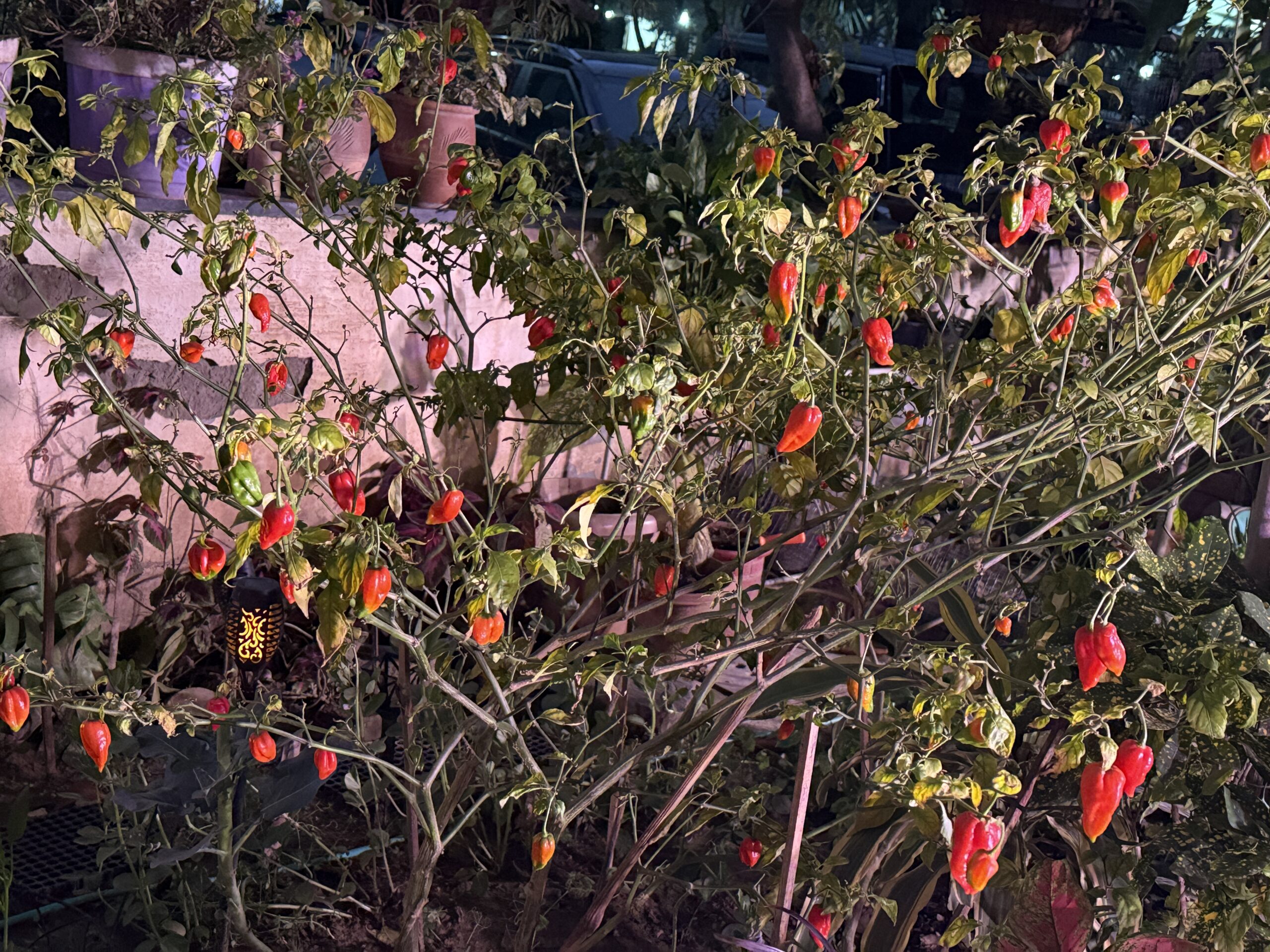

If you’re wondering how to grow ghost peppers successfully, this guide shares my personal experience growing Bhut Jolokia in India. Ghost pepper growing has become more than just a gardening topic for me—it’s a yearly hobby. No matter how many other plants I grow, my garden feels incomplete without at least 4 ghost pepper plants. I especially enjoy the distinctive spicy aroma of the leaves and peppers, which is one of the reasons I keep growing them year after year.
Over time, I have experimented with different seed-starting methods, soil mixes, fertilizers, watering schedules, and growing locations to discover what works best in my garden.
What Is a Ghost Pepper (Bhut Jolokia)?
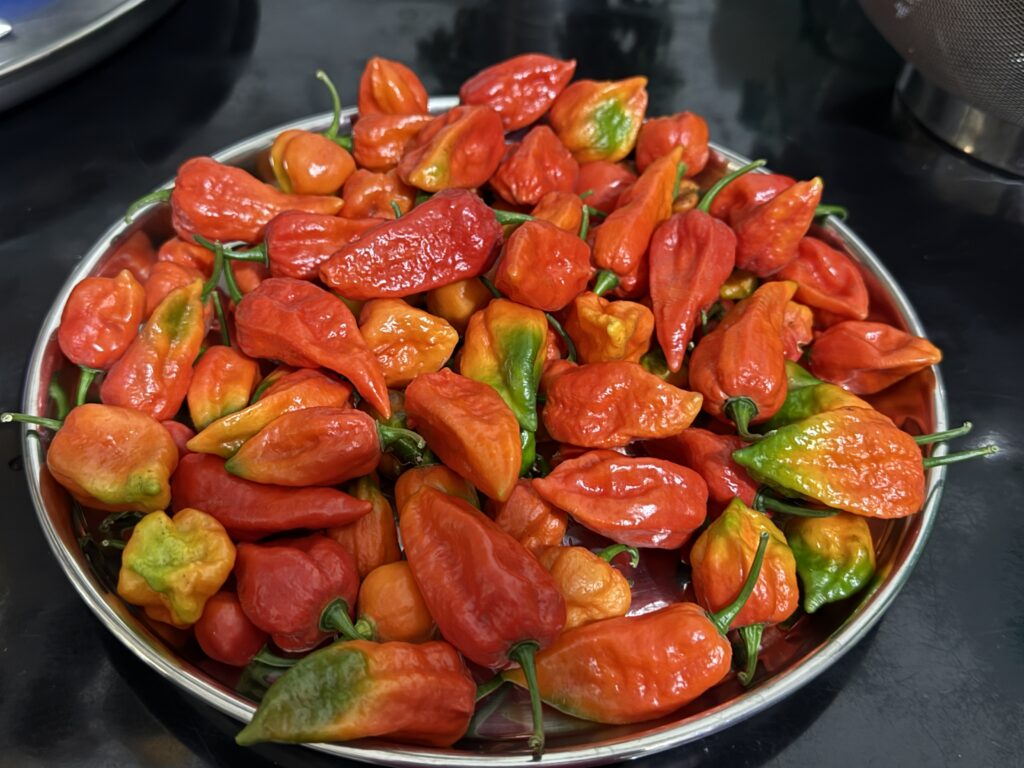
Ghost pepper (Bhut Jolokia) is one of the hottest chili peppers in the world and originated in Northeast India. The plants produce green foliage, white flowers, and wrinkled peppers that gradually turn bright red when ripe.
How to Grow Ghost Peppers: Quick Summary
| Topic | My Experience |
|---|---|
| Seed starting | February–March |
| Fastest seedling method | Pure sand but needs frequent watering |
| Best beginner seedling mix | Garden soil, cocopeat, and vermicompost/cow dung in equal parts |
| Best sunlight | Full sun, but protect the plant from heat waves with a shade net or keep it in a partially shaded area during hot weather |
| Transplant stage | Around 1 foot tall |
| Recommended pot size | Minimum 14″ deep × 16″ wide |
| Fertilizers I use | Bone meal during planting, seaweed and vermicompost/cow dung for growth, and phosphorus- and potassium-rich fertilizer during flowering |
| Epsom salt spray | Once a month |
| Foliar spray | Once a week during dust season only |
| Peak harvest | 300+ peppers from November–January from one plant |
| Additional harvest | 100+ peppers during April–May |
| Pet safety | Peppers are not safe for dogs due to high levels of capsaicin |
My Ghost Pepper Growing Timeline
This is the timeline I typically follow each year.
- February–March: Start seeds
- March–April: Seedling growth
- April–May: Transplant into larger pots or ground
- June–August: Plant growth and branching
- September-October: Heavy flowering begins
- November–January: Peak harvest season
- April–May: Additional harvests from mature plants
Of course, timing can vary depending on weather conditions and location.
1. How to Grow Ghost Pepper from Seeds
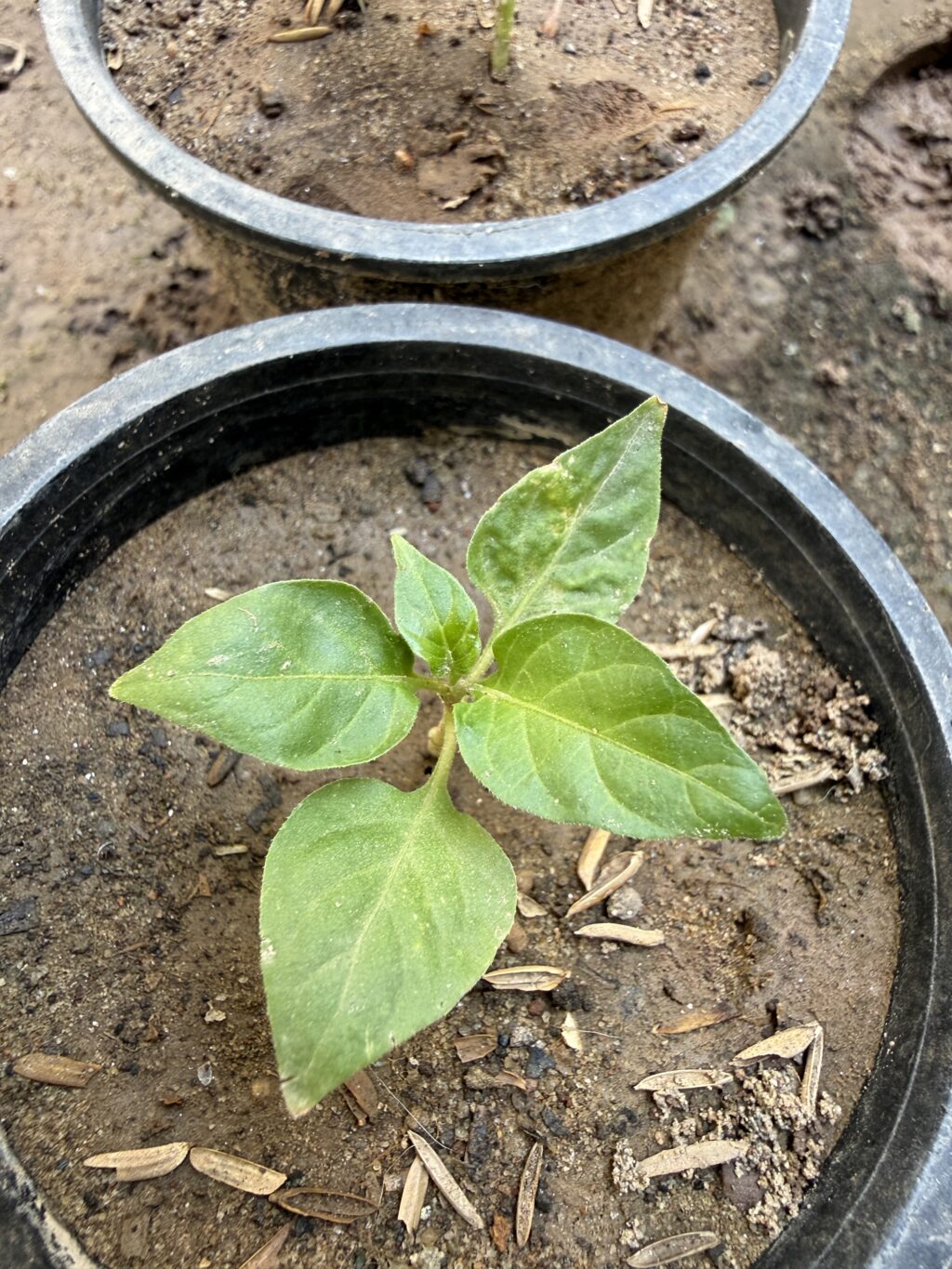
I grow ghost pepper seeds collected from my healthiest ripe peppers and have never needed to buy seeds from the market. I get the best results from the fresh, fully ripe ghost peppers. If you are using dried seeds, soak them in water for 30–40 minutes before sowing.
I sow 2-3 seeds in a 4-inch pot and cover them with a thin layer of cocopeat, not more than half an inch deep. This method works well in both sandy soil and garden soil mixes.
Keep the soil moist until the seeds germinate. It’s better to place the pots in a tray and add water to the tray instead of watering from the top. This helps keep the soil evenly moist and reduces the risk of fungal problems during germination. It can take from 15 to 25 days to germinate.
I usually start ghost pepper seeds during February and March.
Over the years, I have tried different growing mediums and found that pure sand produces very fast seedling growth.
The downside is that sand dries out quickly. If you use pure sand, you must water frequently and keep it consistently moist.
If you cannot water often, I recommend using:
- Garden soil
- Cocopeat
- Vermicompost or cow dung manure
I use all three in equal proportions.
This mixture holds moisture much longer and is much easier to manage.
During the seedling stage, I keep plants in filtered sunlight or partial shade until they become stronger.
2. How to Grow Ghost Peppers in Pots and Garden Soil
For ghost peppers growing in pots, I usually mix:
- One spoon of seaweed fertilizer
- One spoon of bone meal
- One handful of cocopeat or rice husk
- One handful of vermicompost or cow dung manure
- One handful of sand (optional)
- Garden soil
This combination provides nutrients, moisture retention, and good drainage.
For ghost peppers growing directly in the ground, I add:
- Vermicompost or cow dung manure
- One spoon of bone meal
Then I mix everything thoroughly into the soil before planting.
Which Is Better for Ghost Pepper Plants: Vermicompost or Cow Dung Manure?
I have used both successfully.
If I want a cleaner growing area with fewer visible worms, I choose vermicompost.
If I want richer soil activity and do not mind seeing more earthworms, I use cow dung manure.
Both work well, but for container gardening I generally prefer vermicompost.
When to Transplant a Ghost Pepper Plant
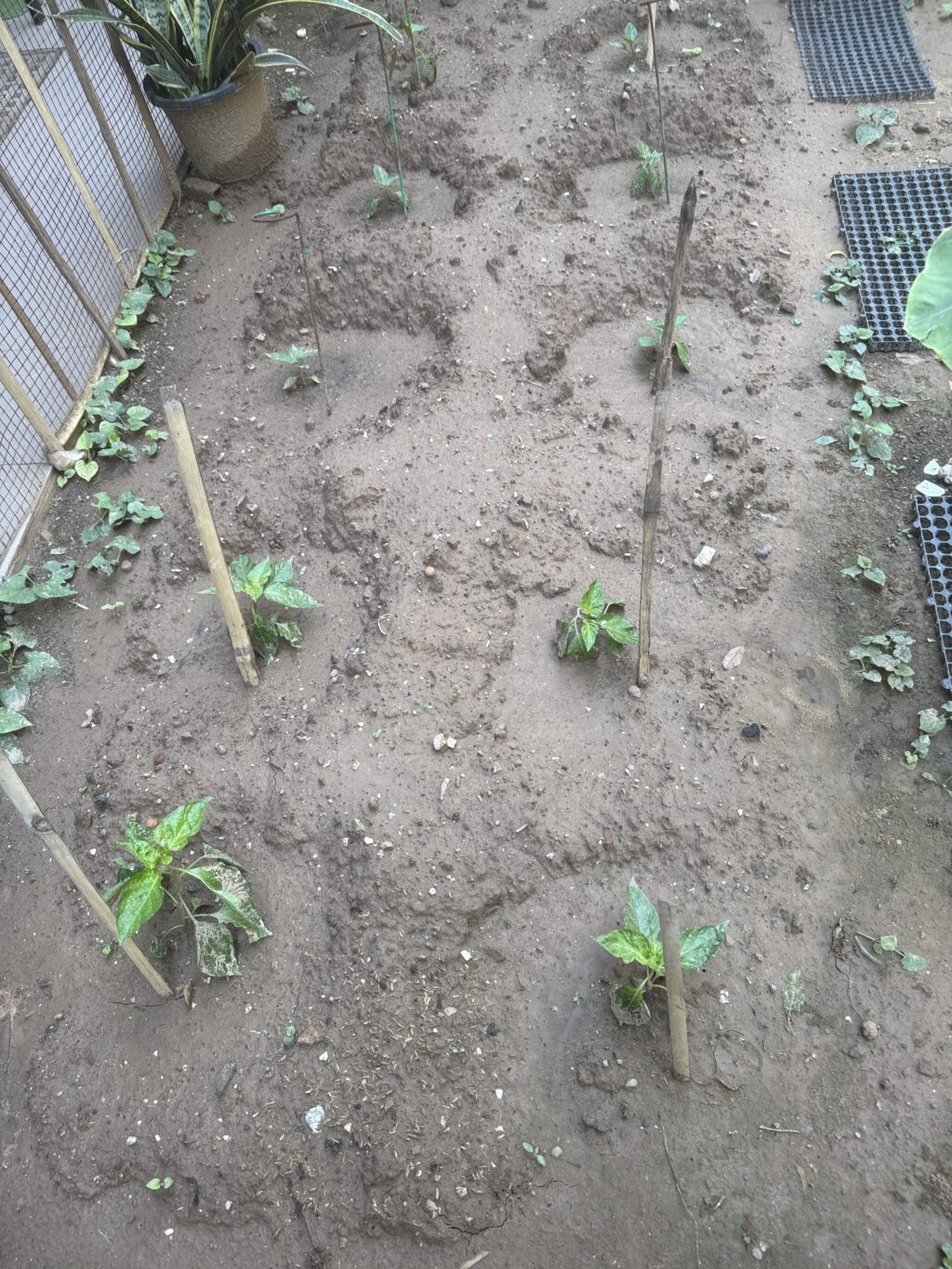
I usually transplant ghost pepper plants when they reach approximately one foot in height.
At this stage, the roots are stronger and adapt much better to their permanent location.
I either move them directly into the ground or into a larger container.
What Size Pot Is Best for a Ghost Pepper Plant?
For container growing, I recommend a pot that is at least:
- 14 inches deep
- 16 inches wide
Ghost pepper plants develop extensive root systems, and larger containers generally produce healthier plants and larger harvests.
3. How to Grow Ghost Peppers That Produce 300+ Peppers Per Plant
It’s actually very simple if you truly enjoy growing ghost peppers and stay consistent with their care. Just follow the tips shared in this guide—from seed selection and soil preparation to watering, fertilizing, and protecting plants from heat stress—and your plants can reward you with an impressive harvest.
How Often to Water a Ghost Pepper Plant
I do not follow a fixed watering schedule. Instead, I check the soil before watering.
When I grow seedlings in sand, I water much more frequently because sand dries out quickly.
For mature plants growing in soil, cocopeat, and compost mixtures, I water when the top layer begins to dry.
One of the biggest mistakes I made when I first started growing ghost peppers was overwatering. The plants produced plenty of leaves but fewer peppers.
Water Consistently During Flowering
In my experience, inconsistent watering is one of the biggest causes of flower drop.
I do not water on a fixed schedule because weather conditions change throughout the year. Instead, I check the soil and water when the top layer starts drying out.
During very hot weather, especially when temperatures stay high for several days, I water daily if the soil dries quickly. During cooler periods, watering every few days is usually enough.
The goal is to keep the soil evenly moist without making it waterlogged.
Add Fertilizers When Planting
When I transplant ghost pepper plants, I mix one spoon of bone meal and a handful of vermicompost into the soil. In addition to this, you can add seaweed and Epsom salt.
Bone meal supports root development and helps prepare the plant for flowering later in the season.
Avoid Too Much Nitrogen Fertilizer
One mistake I made in the past was using too much nitrogen-rich fertilizer.
The plants produced beautiful green leaves but fewer flowers and peppers.
Once flowering begins, I avoid excessive nitrogen and focus more on nutrients that support blooming and fruit production.
Use Potassium and Phosphorus During Flowering
As soon as my ghost pepper plants start producing flowers, I apply a fertilizer rich in potassium and phosphorus.
In my experience, this is one of the most important steps for increasing fruit production.
The plant has already spent months growing roots, stems, and leaves. During flowering, potassium and phosphorus help the plant direct its energy toward developing peppers instead of producing more foliage.
Spray Epsom Salt Monthly
I spray Epsom Salt once every month, usually on the first day of the month.
While it is not a miracle solution, I have found that it helps maintain healthy foliage and overall plant vigor.
Use Foliar Spray Weekly
I also apply a foliar spray approximately once a week.
Besides keeping the leaves clean, I have noticed fewer minor pest problems and healthier growth when I maintain this routine.
How to Use Epsom Salt on Ghost Pepper Plants
I spray Epsom salt once a month, usually on the first day of the month.
In my experience, it helps maintain healthy foliage and supports overall plant growth.
If your plants already receive plenty of sunlight and are growing well, additional Epsom salt may not be necessary.
How Often to Spray Ghost Pepper Plants
I use a foliar spray approximately once a week.
This helps keep the leaves clean and healthy, and I have noticed fewer minor pest problems when I maintain a regular spraying routine.
How Much Sun Does a Ghost Pepper Plant Need?
Ghost peppers need plenty of sunlight to grow well and produce heavily.
In my experience, the plants perform best when they receive several hours of direct sunlight each day. However, during extremely hot weather, I try to provide filtered light or light shade between about 12 PM and 3 PM.
This small amount of protection helps reduce heat stress and can decrease flower drop during peak summer temperatures while still allowing the plant to receive enough sunlight for healthy growth and fruit production.
How Many Peppers Can One Ghost Pepper Plant Produce?
This is one of the main reasons I continue growing ghost peppers every year.
In my garden, a healthy mature plant produces more than 300 ghost peppers between November and January.
During April and May, I often harvest another 100 or more peppers from the same plant.
I believe these harvests are the result of consistent care throughout the growing season. Starting seeds early, using the right soil mix, transplanting at the correct stage, watering properly, providing morning sunlight, and feeding the plants during flowering all contribute to better production.
Regular harvesting also encourages continued flowering and fruit production.
4. Why Is My Ghost Pepper Plant Not Fruiting?
In my experience, the most common causes are:
- Too much nitrogen fertilizer
- Insufficient sunlight
- Heat stress
- Poor pollination
- Young plants that are not mature enough
Ghost pepper plants often spend their early months developing roots and foliage before producing heavily.
Patience is important.
Why Are Ghost Pepper Flowers Falling Off?
In my garden, flower drop is most common during periods of extreme heat. If your area experiences frequent heat waves, read my guide on how to protect plants from heat waves to help reduce heat stress and improve pepper production.
The most common causes are:
- High temperatures
- Inconsistent watering
- Poor pollination
- Nutrient imbalance
- Sudden weather changes
How to Prevent Ghost Pepper Flowers From Falling Off
Ghost pepper flower drop is something I deal with almost every year, especially during hot weather. After growing ghost peppers for several seasons, I have noticed that flower drop is usually caused by heat stress, inconsistent watering, or a lack of nutrients during the flowering stage.
These are the methods that have worked best for me.
Remember That Every Step Matters
The results come from doing many small things correctly—from starting healthy seedlings in February and March, using a balanced soil mix, transplanting at the right time, watering consistently, protecting plants from extreme heat, and feeding them properly during flowering.
In my experience, when all of these steps work together, flower drop becomes much less of a problem, and the plants produce significantly more peppers.
When to Harvest Ghost Peppers
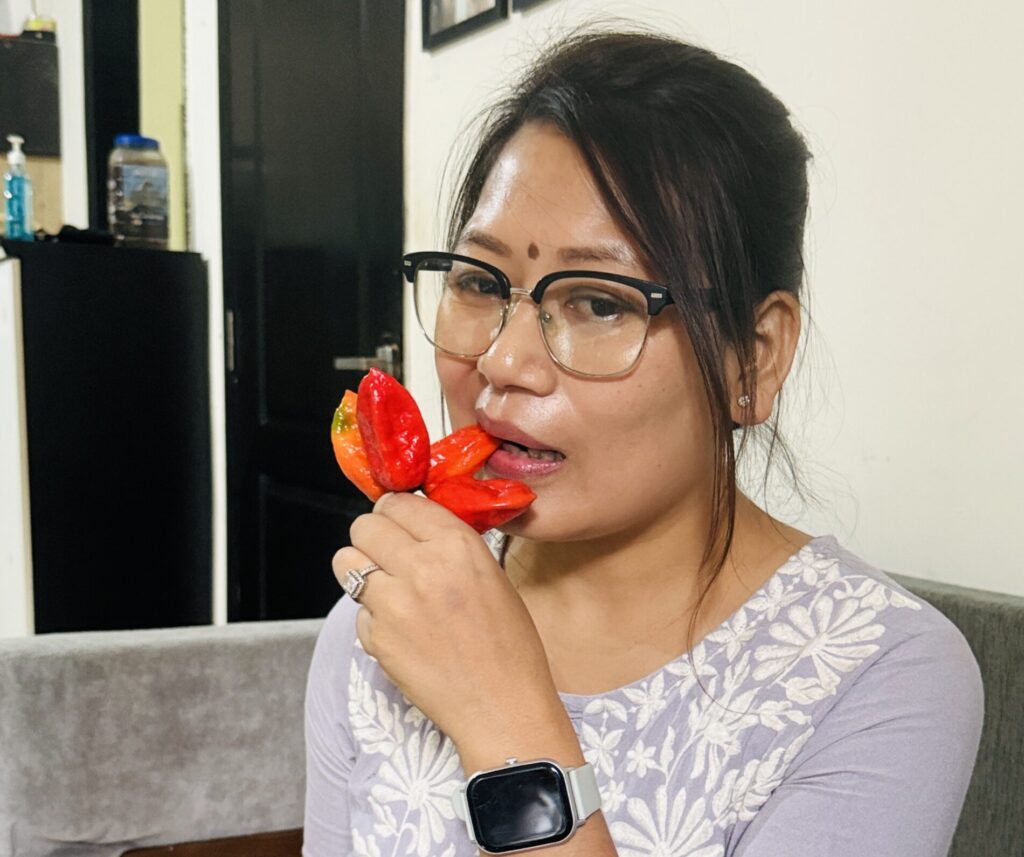
I harvest ghost peppers when they reach their mature color- red or yellow. Sometimes, I enjoy the green too.
5. What Mistakes Did I Make Growing Ghost Peppers?
Like most gardeners, I learned through trial and error.
Some of the mistakes I made include:
- Overwatering young plants
- Transplanting too early
- Giving too much afternoon sun
- Using too much nitrogen fertilizer
- Ignoring flower drop during extreme heat
Correcting these mistakes significantly improved my harvests.
6. Is Ghost Pepper Safe for Dogs?
No, ghost peppers are not considered safe for dogs to eat.
Because of the pepper’s extreme heat, I do not consider ghost peppers a dog-safe food or treat. If you grow ghost peppers in a pet-friendly garden, it is best to keep ripe peppers out of reach and supervise curious pets around the plants.
If you have dogs at home, you may also want to read my complete guide on whether ghost peppers are toxic to dogs and how to keep pets safe around pepper plants.
Also, check our complete guide to common indoor plants that are toxic to dogs and cats before adding new plants to your garden.
Can You Grow Ghost Peppers in a Pet-Friendly Garden?
Yes.
I grow ghost peppers while caring for multiple dogs.
The biggest concern is the pepper itself rather than the plant. Keeping ripe peppers out of reach and supervising curious pets is usually enough to prevent problems.
Some dogs may chew on plants, grass, fruits, or vegetables out of curiosity, boredom, playfulness, or simply because they are exploring their environment. Puppies are especially likely to investigate garden plants by chewing on them. If you’ve ever wondered why dogs eat plants, understanding this behavior can help you create a safer pet-friendly garden.
7. Is Ghost Pepper Worth Growing?
Absolutely.
After growing ghost peppers every year, I consider them one of the most rewarding chili plants for Indian gardeners. They are productive, relatively easy to maintain, and can continue producing peppers for months when given proper care.
Ghost peppers are not as commonly available in North and West India as they are in Northeast India. Since I am originally from Manipur and now live in Chandigarh, finding fresh ghost peppers was not always easy.
Before I started growing my own plants, I used to buy ghost peppers from a Northeast Indian shop known as “King Chilli” in Khudda Lahora, Chandigarh. At the time, I paid ₹100 for just 6 to 8 peppers.
That was one of the reasons I became interested in growing ghost peppers myself.
8. How to Store Ghost Peppers Until the Next Harvest
A healthy ghost pepper plant can produce far more peppers than most people can use immediately. Since I cannot consume all my ghost peppers after harvesting, I use two simple storage methods to enjoy them throughout the year until the next harvest season.
Keeping Ghost Peppers Fresh
I keep some of the freshly harvested peppers in the refrigerator for everyday cooking.
When stored properly, fresh ghost peppers can remain usable for several weeks, often close to a month.
Drying Ghost Peppers for Long-Term Storage
After harvesting, I allow the peppers to dry completely before storing them in airtight containers. Dried ghost peppers take up very little space and can be used whenever needed for cooking, chutneys, pickles, or spice blends.
This method allows me to enjoy them even when the plants are no longer producing.
Who Should Grow Ghost Peppers?
Just before the conclusion:
- Gardeners who enjoy very spicy peppers
- Container gardeners
- Home cooks who use fresh chilies
- People who cannot easily buy fresh Bhut Jolokia locally
Final Thoughts
After years of growing ghost peppers in India, I have found that success comes down to a few simple habits: start seeds early, use a balanced soil mix, provide morning sunlight, transplant when plants reach about one foot in height, avoid overwatering, and support flowering with potassium and phosphorus.
Follow those basics consistently, and a single ghost pepper plant can reward you with an impressive harvest season after season.
